
Watch Safecall’s on-demand webinar exploring what employers may need to evidence when the Employment Rights Act 2025 changes come into force.
From October 2026, employers will need to be able to show they have taken all reasonable steps to prevent sexual harassment in the workplace.
In this follow-up webinar, Safecall moved beyond the legal change itself and focused on what preparation may look like in practice.
The session explored how organisations can review, strengthen and evidence their approach across key areas including prevention, reporting routes, case management, investigations and board oversight.
With insight from Safecall and a legal perspective from Kate Dodd, Partner and Head of Employment Plus at Pinsent Masons, the discussion looked at what organisations should be considering now, before the new duty comes into force.
What does “all reasonable steps” mean in practice?
The move from “reasonable steps” to “all reasonable steps” raises the bar for employers.
While every organisation will need to consider its own risks, workforce and working environment, the key issue is likely to be evidence.
It may not be enough to have policies in place. Employers may also need to show how those policies are communicated, how concerns are reported, how managers respond, how investigations are handled, and how senior leaders oversee workplace culture and conduct.
This webinar explores what that could mean in practical terms.
What you’ll learn:
In this session, we look at:
- What the Employment Rights Act 2025 changes could mean for employers
- Why evidence matters when demonstrating “all reasonable steps”
- The areas organisations may need to review before October 2026
- How reporting routes, case management and investigations could come under scrutiny
- Why line managers play such a critical role when concerns are first raised
- How organisations can start preparing now in a practical, proportionate way
Why this matters now
October 2026 may feel some way off, but preparing for the new duty is not something organisations should leave until the last minute.
Demonstrating “all reasonable steps” is unlikely to be about one policy, one training session or one reporting route. It’s about how those elements work together in practice.
For employers, this creates an opportunity to review what is already in place, identify gaps, and take practical steps to strengthen prevention, reporting, response and oversight.
Supporting resources
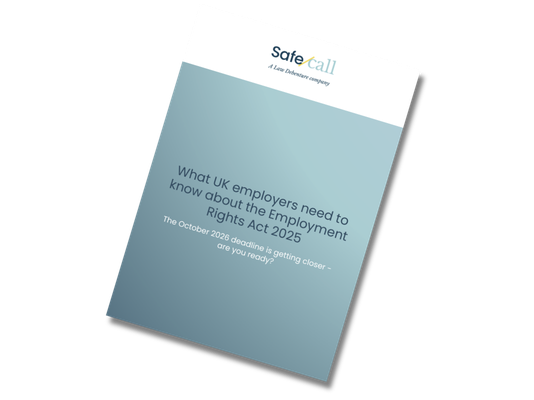
What UK employers need to know about the Employment Rights Act 2025
A practical guide to what’s changing, when the changes come into force, and what good preparation could look like for employers.

Reporting trends are shifting. Expectations are rising. Are you ready for what comes next?
Explore the latest trends on harassment and bullying reporting, channel preferences, and what the data tells us about the health of speak-up culture.
Are your line managers equipped for the first response?
One of the key themes discussed during the webinar was the critical role line managers play when concerns are first raised.
Research shows that 50% of employees who experience sexual harassment go to their line manager first. Before HR. Before anything is formally recorded.
If that manager is not prepared, the consequences can be significant — for the individual, and for your organisation’s ability to demonstrate that all reasonable steps have been taken.
Tackling Sexual Harassment Training: The Manager’s Guide
Safecall’s Tackling Sexual Harassment course is designed specifically for line managers. It’s a 2.5-hour live online session for up to ten managers, facilitated by Safecall’s Head of Training, Eve Maxwell.
Early bird offer: £1,495 + VAT

Need support?
If your organisation is reviewing its approach to preventing sexual harassment, strengthening reporting routes, training managers or preparing for the Employment Rights Act 2025 changes, we’d be glad to have that conversation.
Call us on +44 (0) 191516 7720 or get in touch with us via the contact form below: