
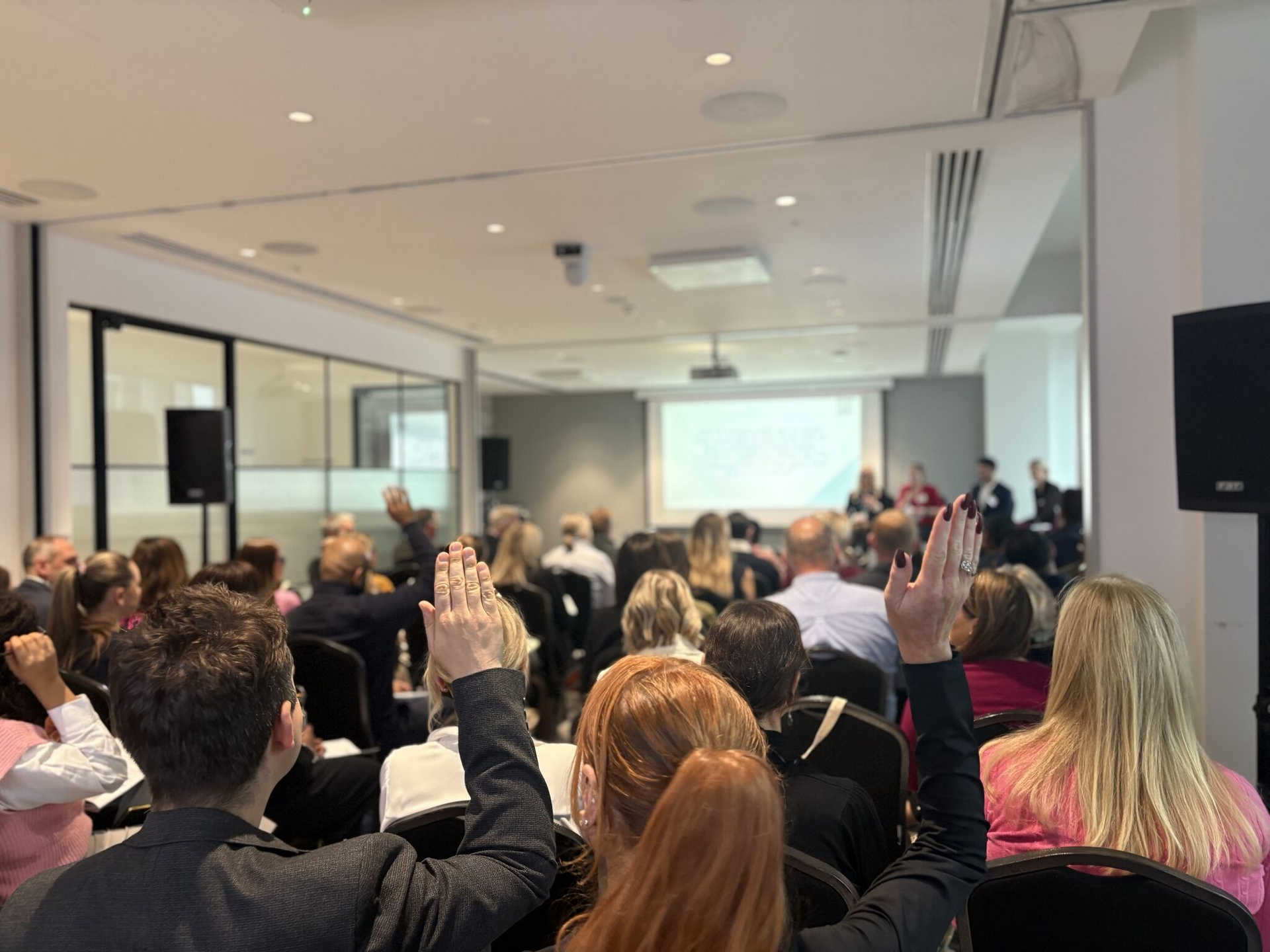
Earlier this month, we brought together a room full of HR and people leaders, risk and compliance professionals, and senior leaders from across a broad range of sectors and organisations for the first ever Safecall User Group Meeting at Law Debenture’s offices in London. The conversations were honest, the energy in the room was everything we hoped for, and we left with a lot to think about.
The day centred on the challenges that organisations are grappling with right now. Evolving legislation and what it means in practice. The drive to build cultures where people genuinely feel safe to speak up. The growing role of AI in speak-up, and where human involvement remains non-negotiable. And the dynamics of triaging and investigating an ever-growing number of cases well.
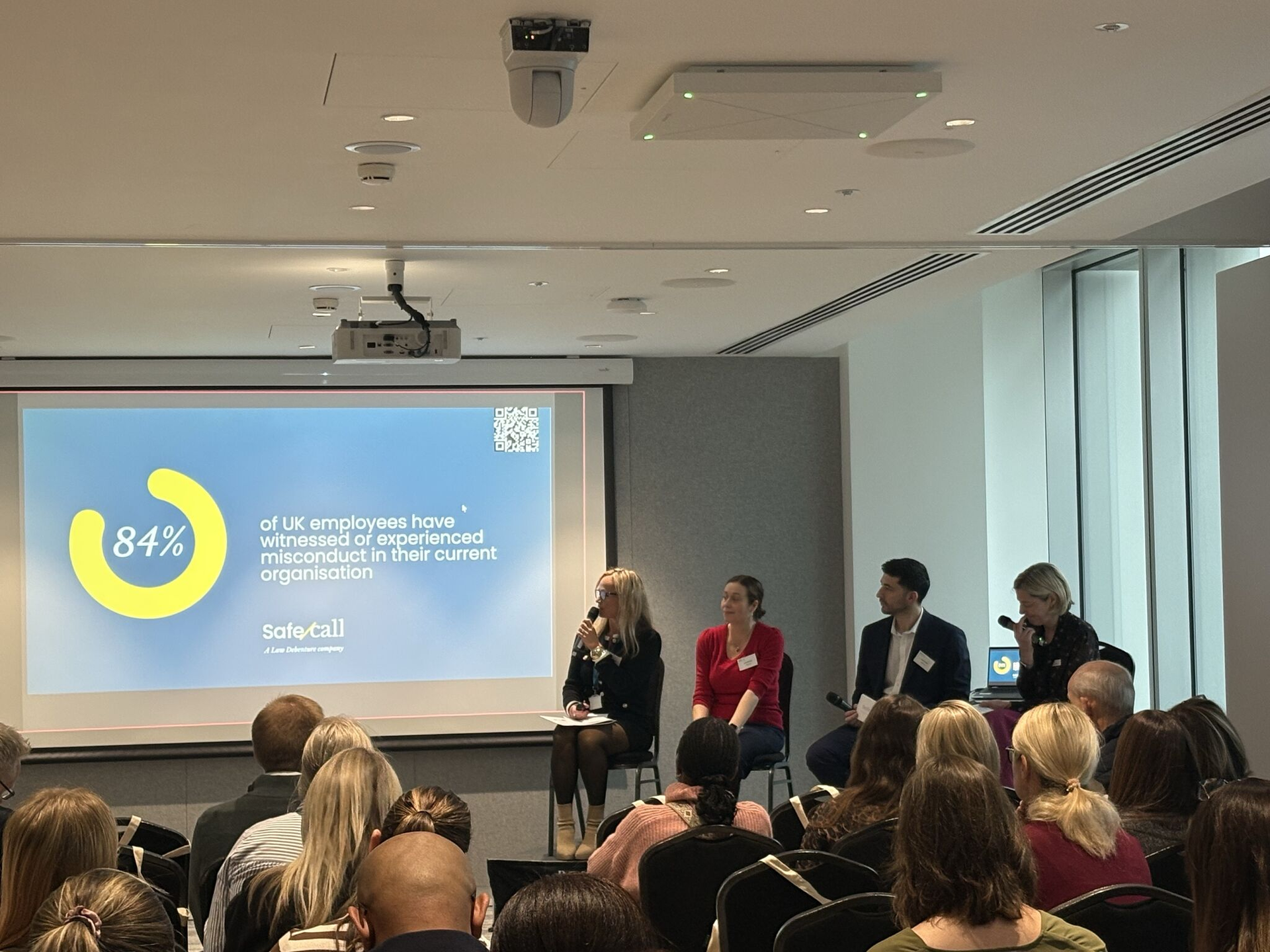
Running through all of it was a question we hear from clients often. They know how many reports they are receiving. But what about the concerns that never reach them? Who is not speaking up, and why? What are they missing? In an era where demonstrating “all reasonable steps” is fast becoming the benchmark, and where employees, customers, investors and the media hold organisations to a higher standard than ever before, that question has never mattered more.
Introducing the Employee Voice Report 2026
Since 2020, Safecall has published an annual Benchmark Report to help organisations understand how many reports they should expect to receive, how they compare to their peers and what good looks like. This year, we launched something that sits alongside it. The Employee Voice Report, based on an independent survey of 2,000 employees in organisations with more than 250 people, asks a different and arguably harder set of questions. What have people witnessed or experienced in their current organisation? What did they do about it? Who did they tell? How did they feel their concern was handled? And, critically, why do people sometimes choose not to report at all?
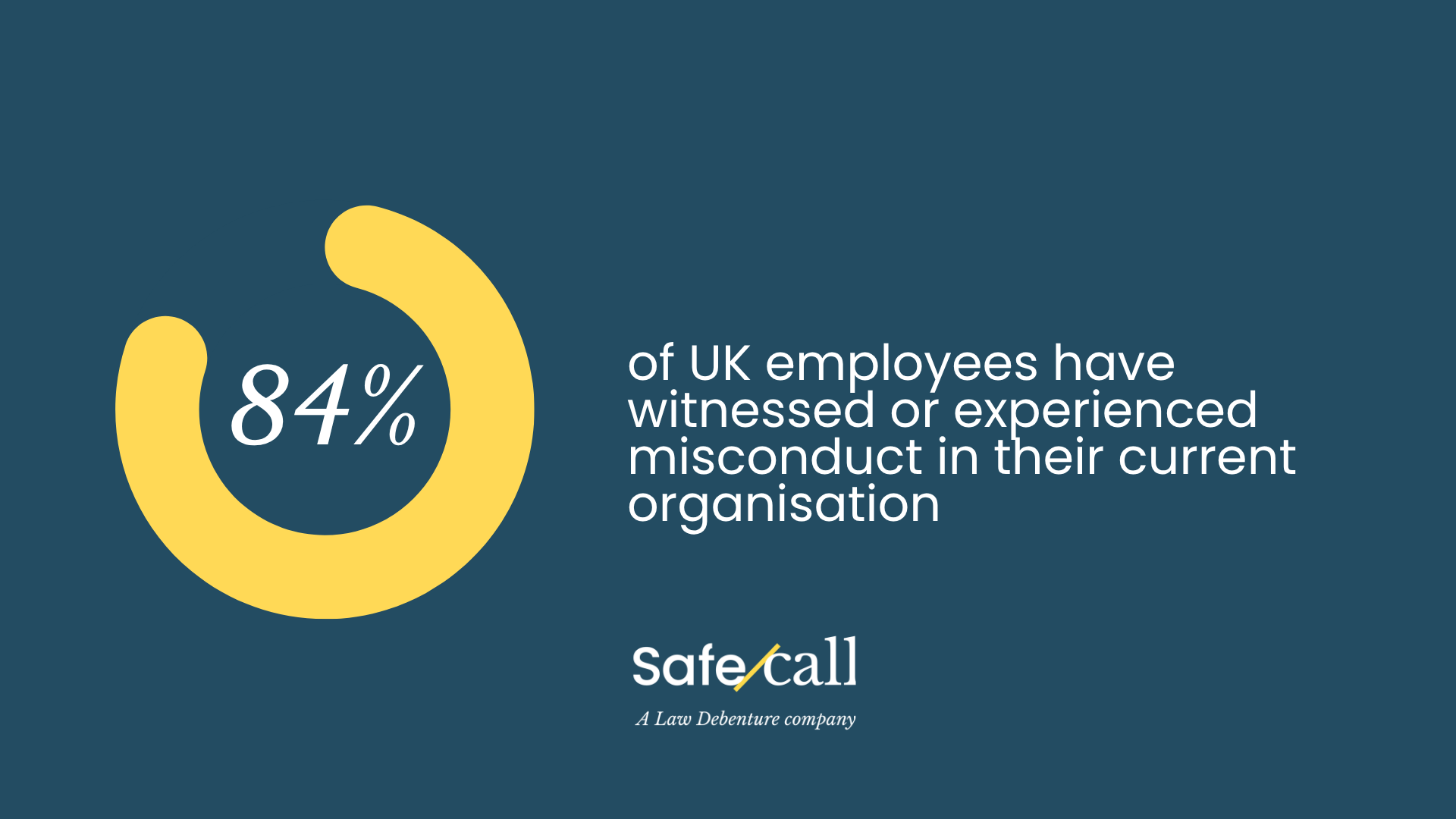
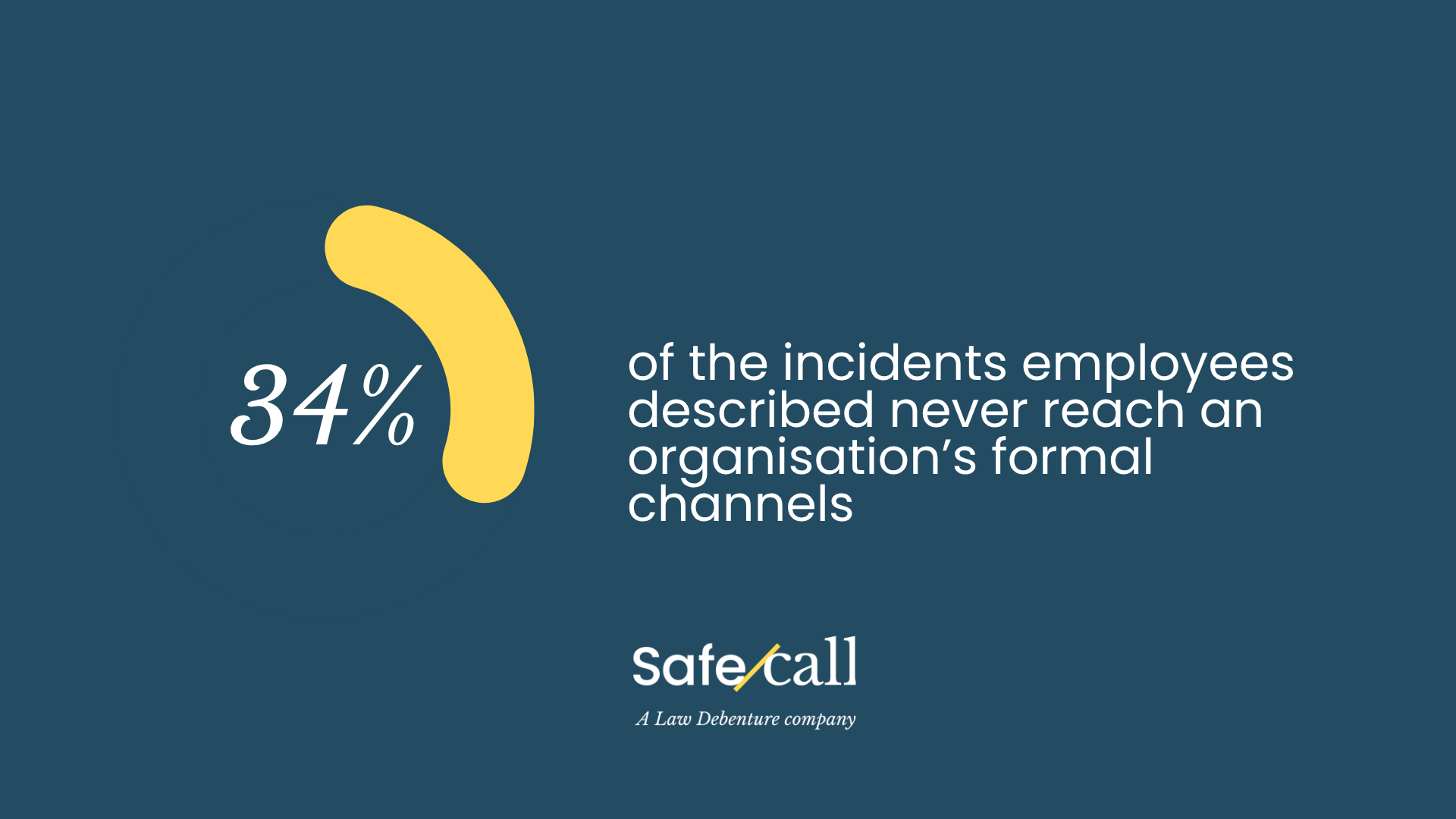
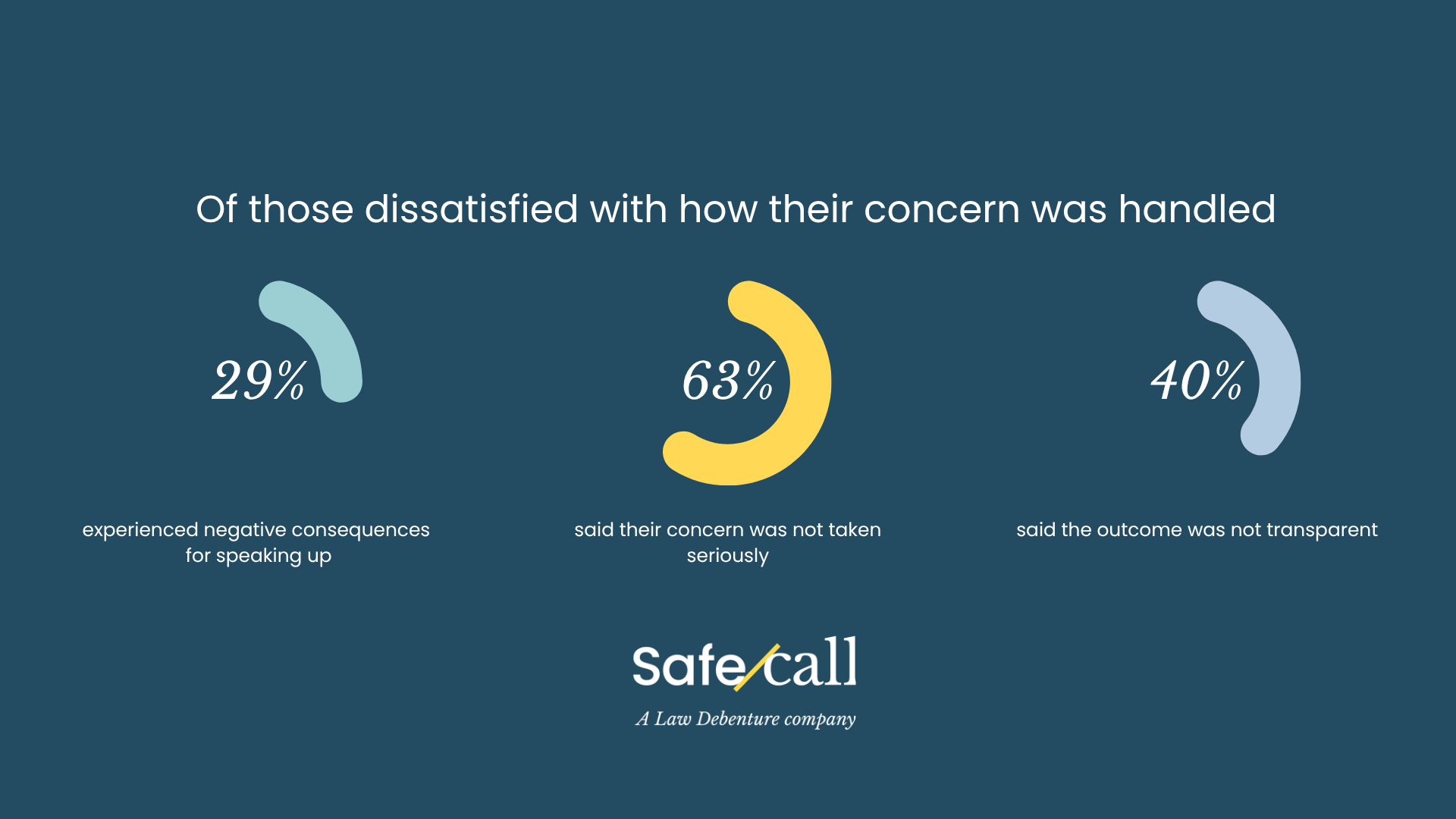
The answer to that last question is one every organisation should sit with. 34% of witnessed or experienced misconduct, based on employees’ own perceptions, never reaches a formal channel. It goes unreported entirely, or surfaces only in a conversation with a colleague and goes no further. As we said when we launched the report, reporting data shows organisations what they hear. The Employee Voice Report shows what they do not.
The findings shaped much of what was discussed on the day. And three themes came through clearly enough that our Managing Director, Joanna Lewis, closed the morning with them.
Systems are only the beginning. Culture and trust determine whether they work.
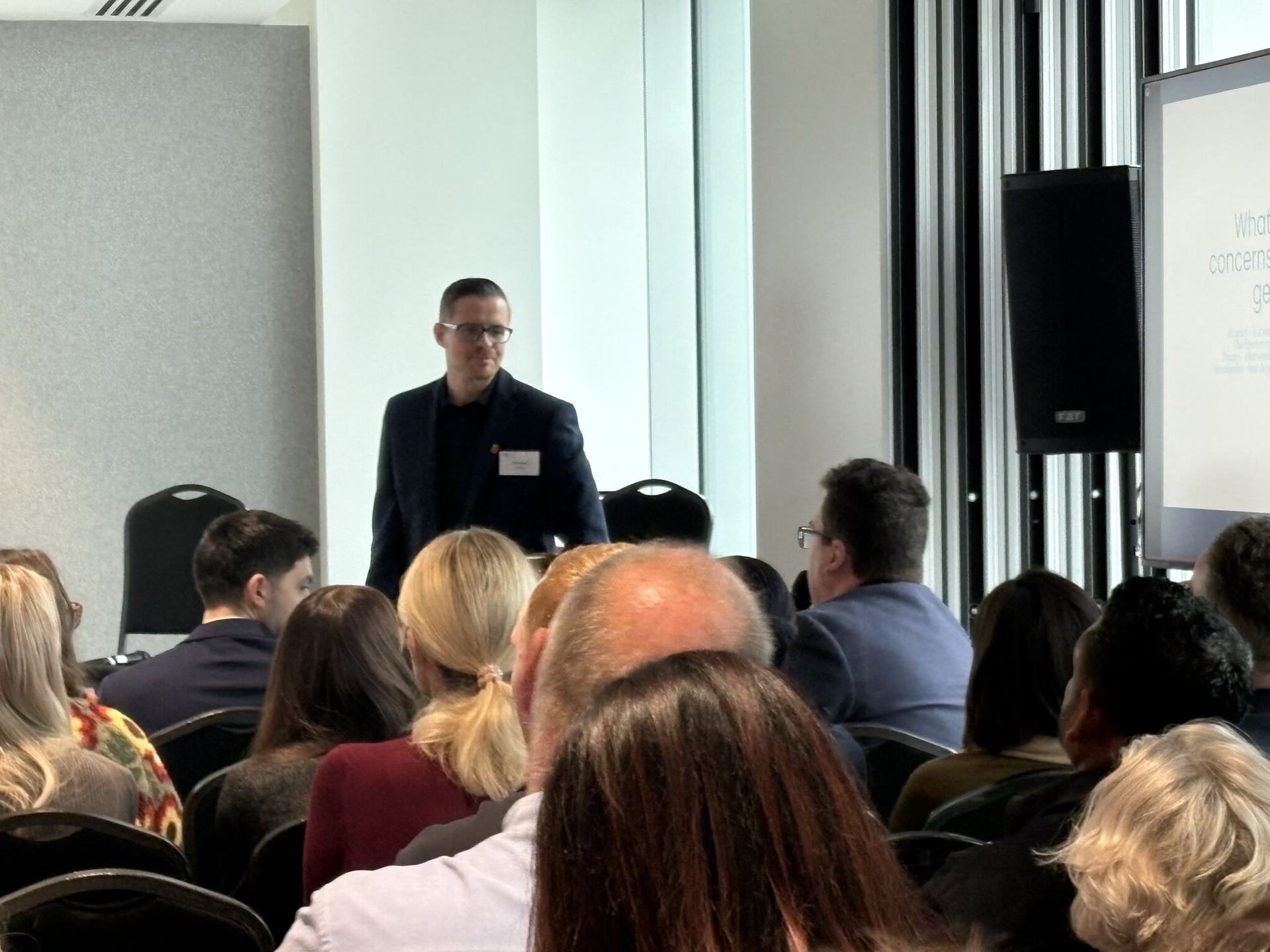
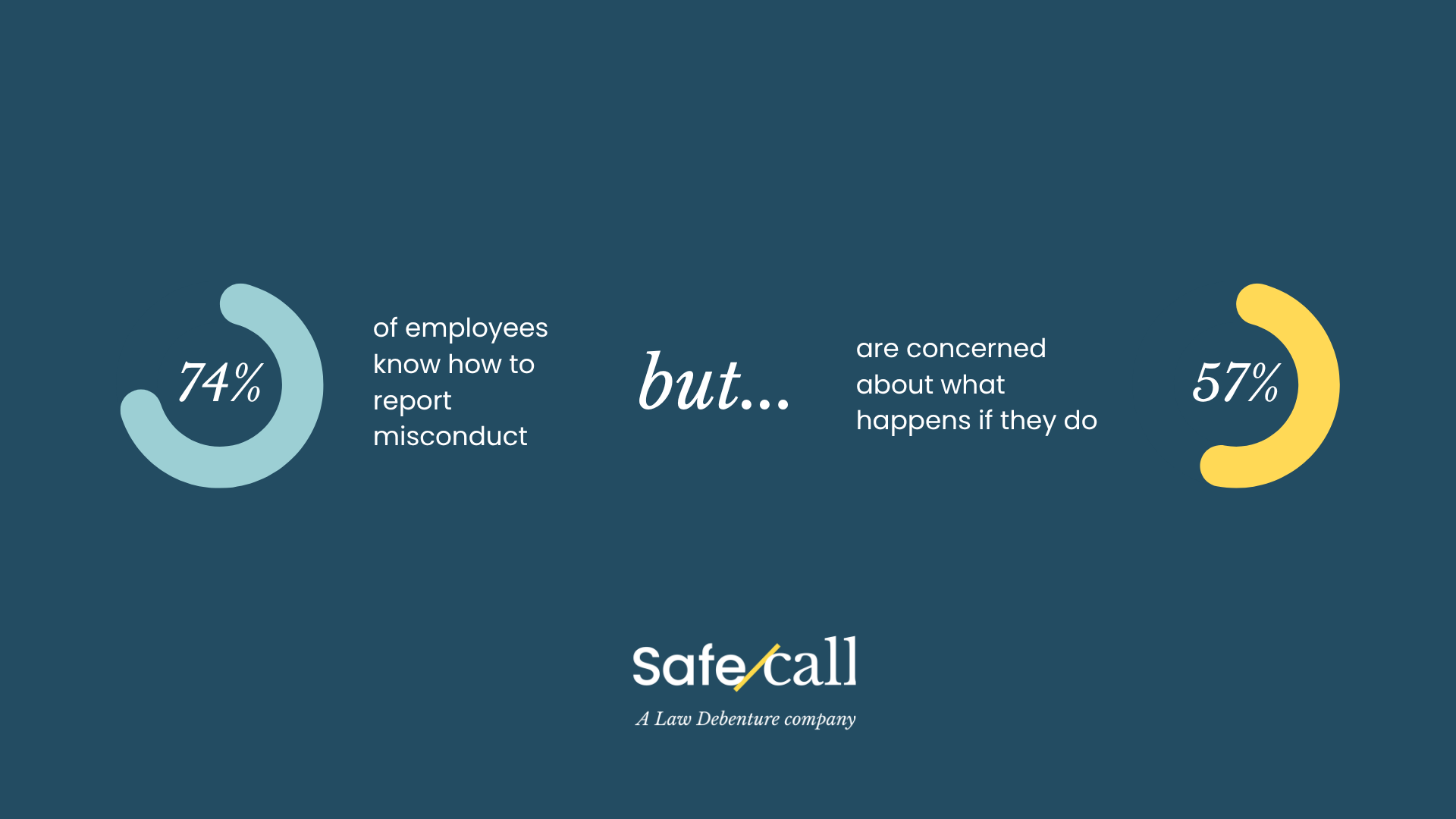
Having a speak-up channel is a starting point, not a destination. The report shows that the barrier to speaking up is rarely a lack of awareness. 74% of employees say they would know what to do if they witnessed misconduct. What holds people back is something harder to fix. 57% are concerned about what happens if they do raise a concern, whether they will be taken seriously, whether anything will actually change, and whether it is safe to try.
That points to something important for leaders. The question is not whether your channel is in place. It is whether your employees trust it. And trust, as the report makes clear, is built or broken long before a concern is ever raised. It lives in what people have seen happen to others who have come forward. It lives in whether leaders respond visibly and well when things are raised. And it lives in whether the experience of speaking up is one that people would recommend to a colleague.
One line from our investigations session has stayed with us since the day ended. People do not remember every detail of an investigation. They remember how they were treated. That is the standard everything else has to be measured against.
The expectations on organisations are only going one way.
The regulatory and legislative landscape is shifting, and the direction of travel is consistent. It is no longer enough to demonstrate that you have policies in place. Regulators, and increasingly courts, are asking organisations to show that those policies are working. One of our speakers put it plainly on the day: the conversation has moved from “show me you have policies” to “show me they are working.”
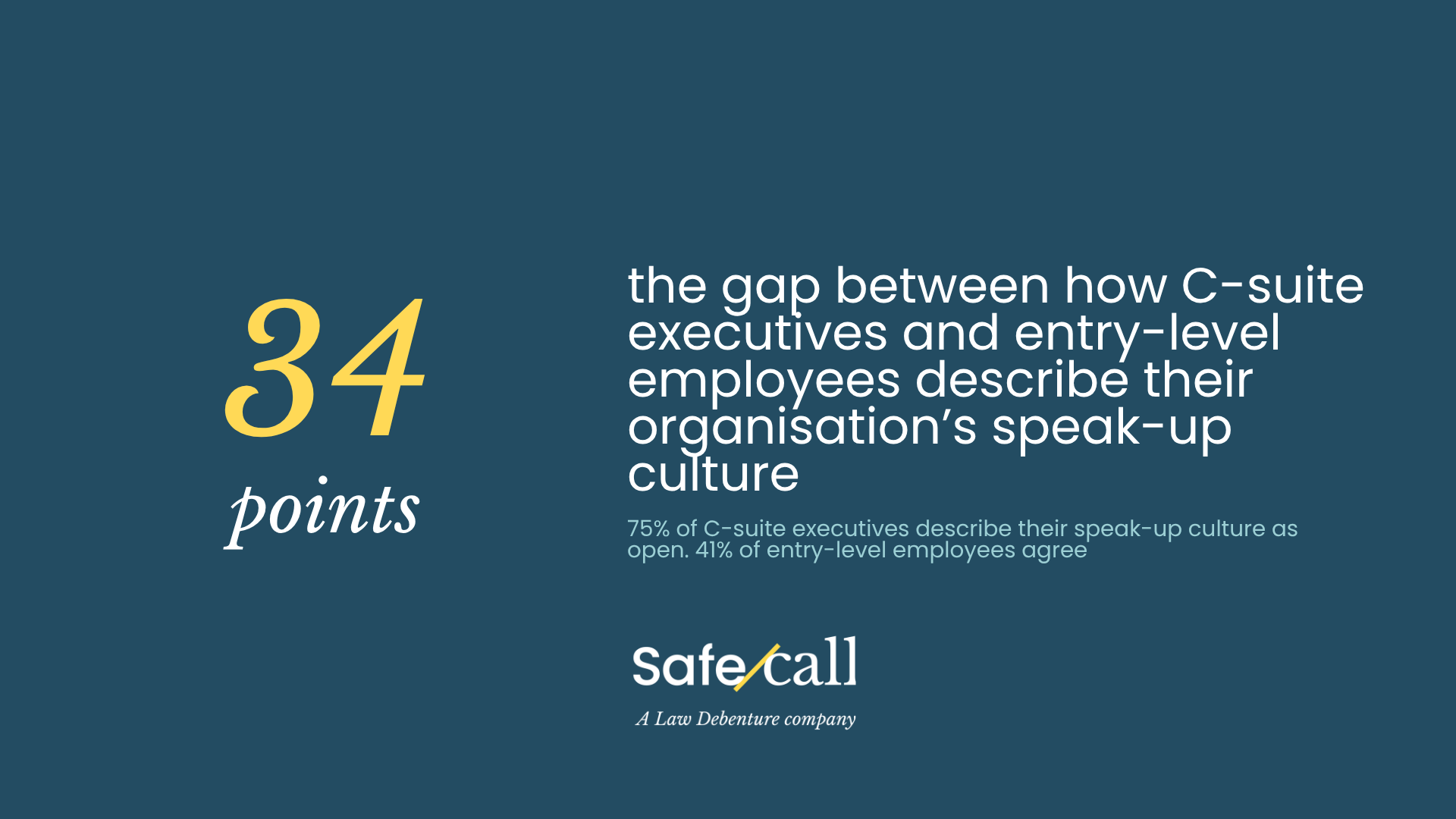
That shift has implications beyond compliance. The Employee Voice Report shows a 34-point gap between how C-suite leaders describe their organisation’s speak-up culture and how entry-level employees experience it. Leaders are, in many cases, making decisions about their culture based on an incomplete picture. Closing that gap requires more than good intentions. It requires organisations to ask not just what is reaching them, but what is not, and why. Are you reading silence as health? Low report volumes can reflect a strong culture, but they can also reflect one where people have decided it is not worth trying.
Building organisations where people speak up is a leadership responsibility, not a compliance one.
This was the most powerful conversation of the day, and it deserves more than a summary. We heard from leaders across very different organisations and sectors, and what emerged was not a set of easy answers but a set of better questions.
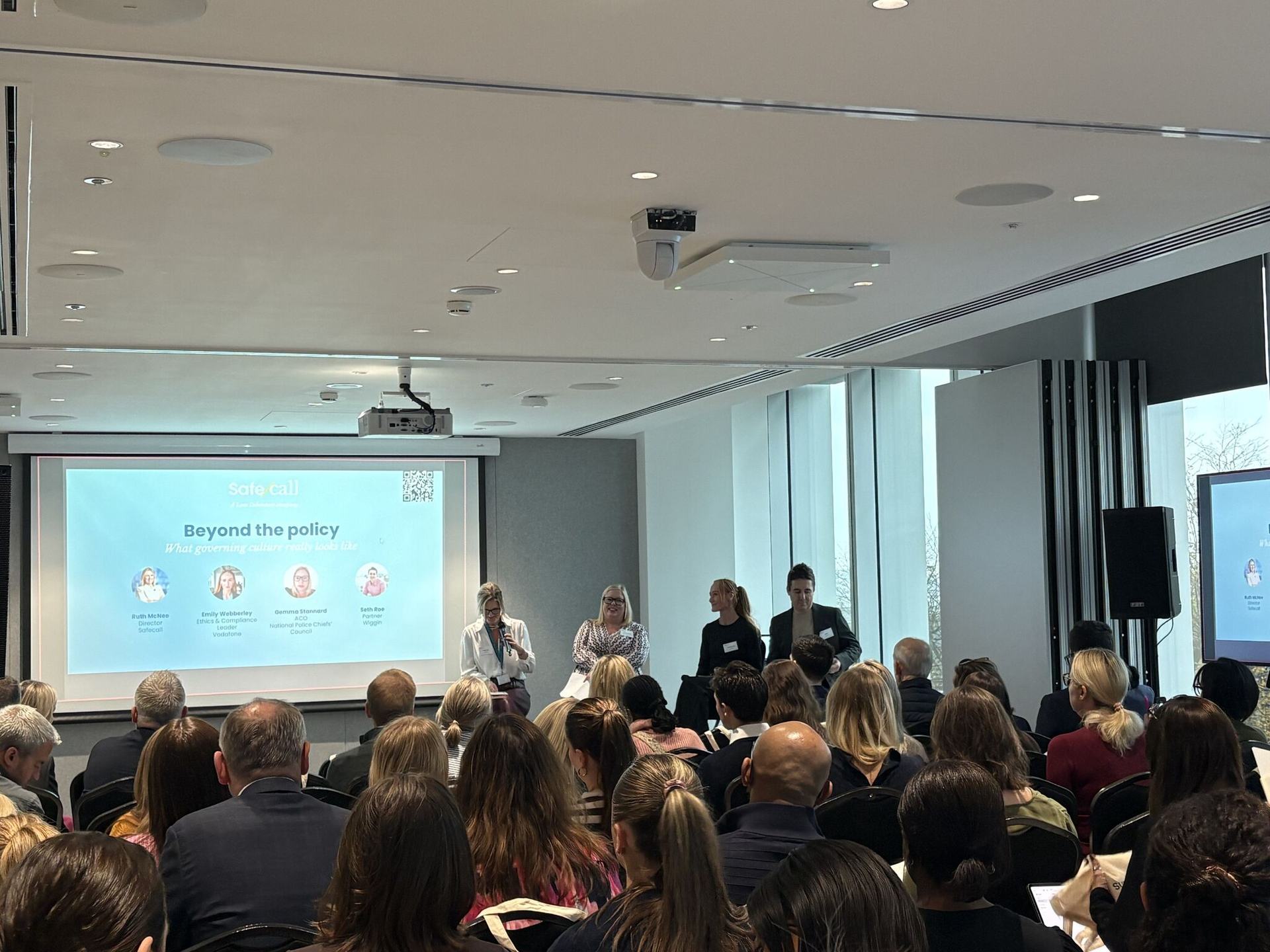
Who is not experiencing your culture the way you want it to be experienced, and why? What would you do if you received a complaint about your CEO, and, just as importantly, what would your employees think you would do? How do you know what your speak-up culture feels like at the bottom of your organisation, beyond what your direct reports tell you?
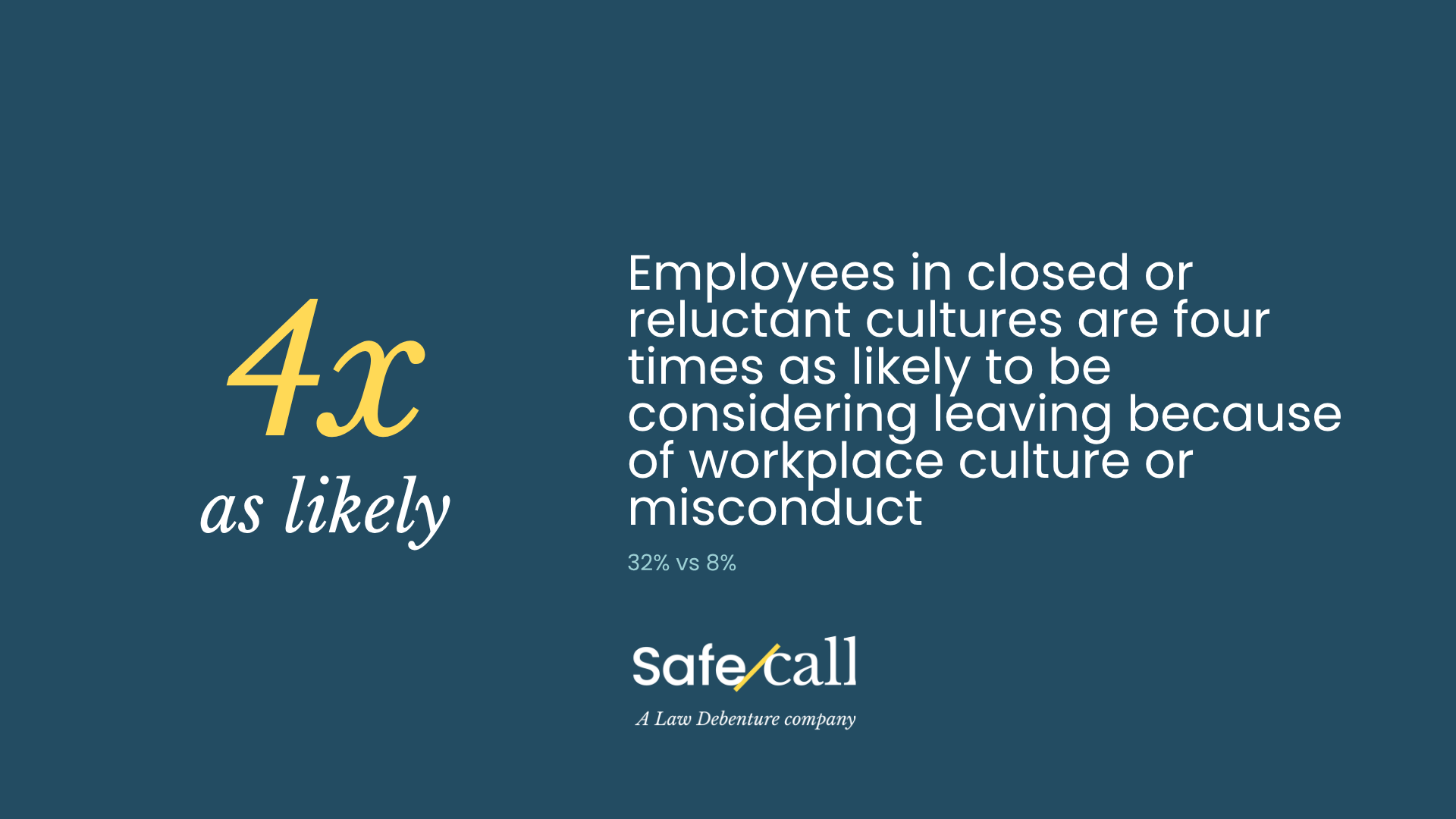
These are not comfortable questions. But they are the right ones. The organisations that are getting this right are not the ones with the most sophisticated policies. They are the ones where leaders have genuinely reckoned with the gap between what they believe about their culture and what people on the ground actually experience. And they are the ones that have made the commercial case internally, because the data is clear. Employees in closed or reluctant cultures are four times as likely to be considering leaving as those in open ones.
Building organisations where people feel genuinely safe to speak up, and where speaking up leads to real change, is not a compliance task. It is a leadership one.
The Employee Voice Report 2026 is now available
If the questions raised here resonate, we would encourage you to read the report. It is not designed to alarm. It is designed to help organisations ask better questions of themselves, and to understand not just what is reaching their formal channels, but what is not, and why. You can download it below:
And if anything from the day, or from the report, has sparked a conversation you would like to have, please do get in touch. We would love to talk.